
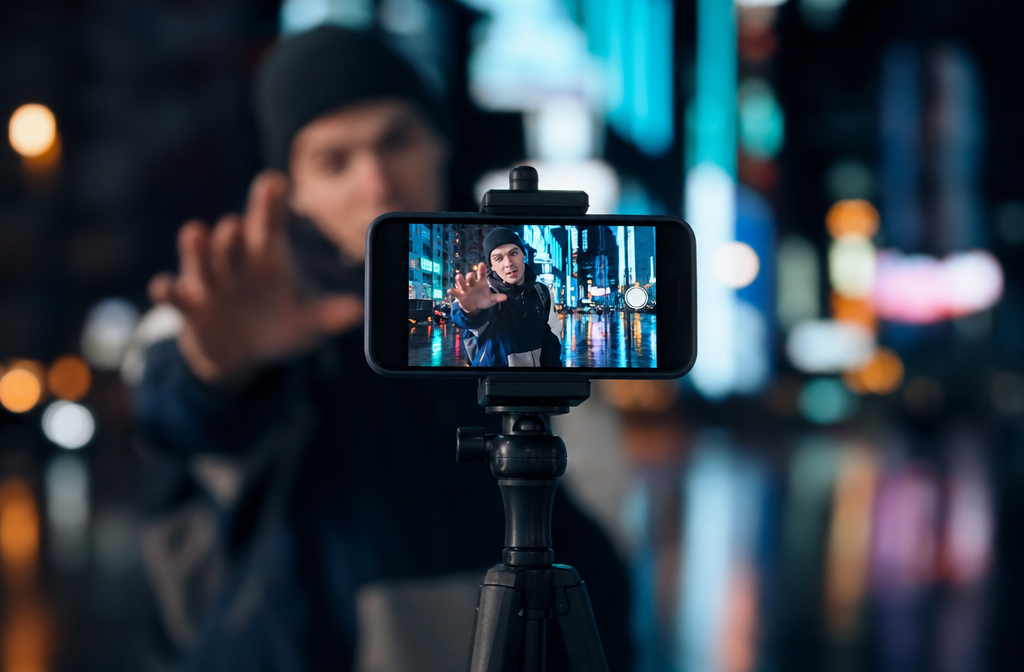
Quick Answer: The 11 viral shorts formats that consistently keep viewers watching include hooks, transformations, countdowns, POV stories, tutorials, reactions, challenges, day-in-the-life clips, myth-busting, before-and-after reveals, and trending audio content. Choosing the right format for your niche and audience is what separates a video that gets skipped from one that gets shared.
Key Takeaways
- The first two seconds of a Short determine whether viewers stay or scroll — your hook is everything.
- Shorts between 30 and 60 seconds tend to hold the strongest average view duration across YouTube and TikTok.
- You do not need expensive gear to make professional-looking Shorts; a modern smartphone handles most formats well.
- Different formats work better for different niches — tutorials suit education, transformations suit lifestyle and fitness.
- Beginners can use these formats immediately; none require advanced editing skills to start.
- The biggest mistake creators make is burying the payoff — deliver value before viewers lose patience.
- Consistency with one or two formats builds audience expectations and accelerates growth.
- Monetisation from Shorts is real but modest at first; pairing Shorts with long-form content speeds up revenue.
What Are the Most Popular Short-Form Video Formats Right Now
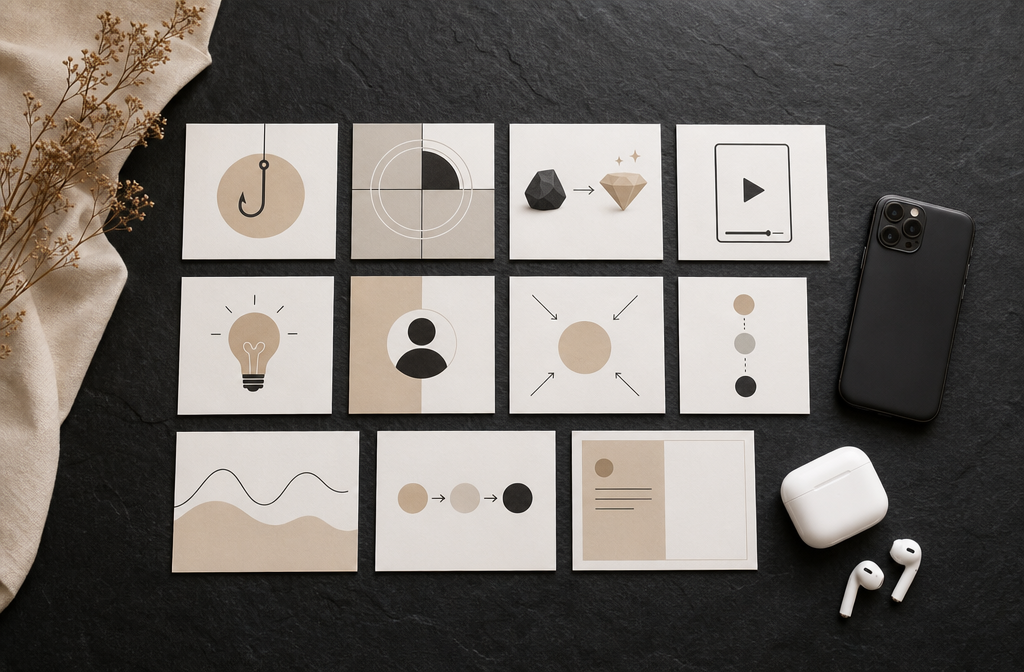
The formats dominating YouTube Shorts and TikTok in 2026 are built around one principle: give viewers a reason to stay within the first two seconds. The 11 viral shorts formats that keep viewers hooked until the end share that quality — they open with tension, curiosity, or a promise, then deliver.
Here are all eleven, grouped by what makes them work:
Curiosity and tension formats
- Hook-and-reveal: Open with a bold claim or question, then answer it by the end.
- Countdown: “5 mistakes that kill your channel” — viewers stay to hear every item.
- Myth-busting: Challenge a common belief your audience holds.
Visual payoff formats
- Transformation: Show a before state, build through the process, land on the after.
- Before-and-after reveal: A tighter version of transformation — cut straight to the contrast.
- Challenge: Attempt something difficult on camera; the outcome keeps people watching.
Relatability and story formats
- POV story: Put the viewer inside a scenario they recognise from their own life.
- Day-in-the-life: A compressed, honest look at a real routine — works best when it feels unfiltered.
- Reaction: Genuine, unscripted responses to content, news, or trends.
Value-first formats
- Tutorial: Teach one specific skill in under 60 seconds.
- Trending audio: Build a visual narrative around a sound or song that is already gaining traction.
How Do You Create Shorts That Actually Go Viral
Viral Shorts are not random. They follow a structure: a strong hook, a clear middle that builds anticipation, and an ending that pays off the promise made at the start.
Follow this three-part framework for any of the 11 viral shorts formats:
- Hook (0–2 seconds): State the payoff immediately. “I tried 30 days of cold showers — here’s what happened” beats a slow intro every time.
- Build (2–45 seconds): Deliver the content in tight, fast-moving segments. Cut anything that does not move the story forward.
- Payoff (final 5 seconds): Land the result, the punchline, or the answer. This is what drives replays and shares.
Common mistake: Creators often spend 10 seconds on a logo animation or a “don’t forget to subscribe” opener. That kills retention before the content even starts. Check out 7 YouTube Mistakes That Kill Channel Growth for more patterns that quietly hurt your numbers.
Which Shorts Formats Work Best for Different Industries
No single format fits every niche. Choose based on what your audience comes to you for.
| Industry | Best Formats | Why It Works |
|---|---|---|
| Fitness and wellness | Transformation, before-and-after | Visual progress is instantly compelling |
| Education and tutorials | Countdown, tutorial, myth-busting | Viewers want a clear takeaway |
| Food and cooking | Tutorial, before-and-after | The reveal of a finished dish is satisfying |
| Gaming | Reaction, challenge, POV | Emotion and skill are the draw |
| Business and finance | Countdown, myth-busting, hook-and-reveal | Audiences want actionable insight fast |
| Lifestyle and travel | Day-in-the-life, trending audio | Aspirational content thrives in these formats |
If you want ideas for content that does not require you to be on camera, faceless YouTube video ideas can be adapted directly to several of these formats.
How Long Should Your Shorts Be to Keep Viewers Watching
Shorts between 30 and 60 seconds consistently perform well across YouTube and TikTok, based on platform guidance and creator data reported by YouTube in 2023. Under 30 seconds can work for punchline-style content, but it leaves little room to build tension. Over 90 seconds risks drop-off unless the story is genuinely gripping.
A practical rule: match length to format. Countdowns and tutorials need 45–60 seconds to deliver all items. Transformations can land in 30 seconds if the visual contrast is strong. Trending audio clips often peak at 15–25 seconds because the song itself carries the pacing.
What Equipment Do You Need to Make Professional-Looking Shorts
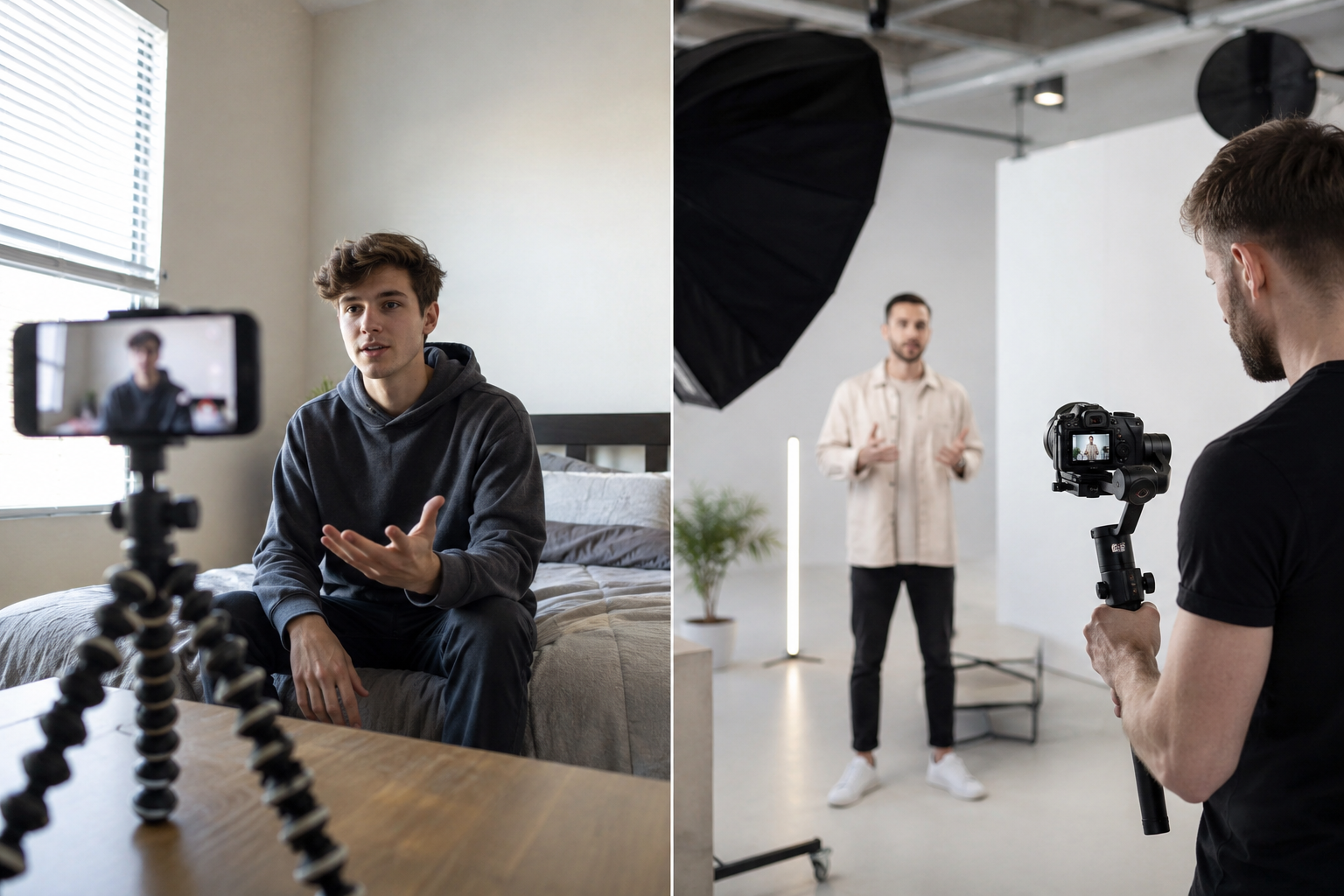
You need less than you think. A modern smartphone — iPhone 14 or later, or a comparable Android — shoots vertical 4K video that is more than adequate for any of the 11 viral shorts formats. Good lighting matters more than the camera itself.
Minimum viable setup:
- Smartphone with a stable mount or tripod
- A ring light or a window with natural light
- A clip-on lavalier microphone for clear audio
For a budget-friendly camera upgrade, the best vlogging cameras under $200 list covers solid options that shoot vertical content cleanly. And if you are filming on an iPhone, iPhone vlogging kits bundle everything you need into one affordable package.
Lighting is the single biggest visual upgrade you can make. See the best lights for vlogging and YouTube for options at every budget.
What Editing Techniques Make Shorts More Engaging
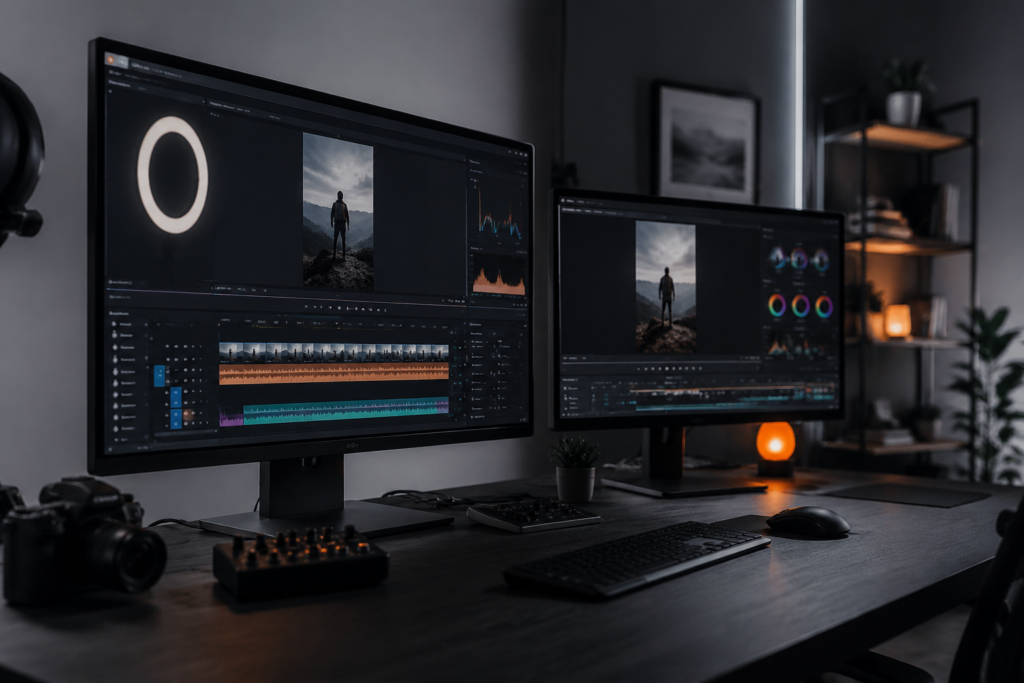
Fast cuts, captions, and sound design are the three editing levers that most directly affect watch time.
- Jump cuts every 2–4 seconds remove dead air and keep energy high.
- On-screen captions keep viewers watching even with the sound off — a significant portion of mobile viewers scroll without audio.
- Sound effects and music reinforce the emotional beat of each moment. A subtle “whoosh” on a cut or a bass drop at the reveal adds polish without complexity.
- Zoom-in cuts on a key moment signal to the viewer that something important is happening.
- Text overlays at the hook stage (“Wait for it…” or “This changed everything”) create micro-cliffhangers that delay the scroll.
For free editing tools that handle all of these, the best free vlogging software guide covers options that work on both desktop and mobile.
Are These Viral Shorts Formats Good for Beginners or Just Experts
Every one of the 11 viral shorts formats is beginner-friendly. The formats themselves are simple structures, not advanced techniques. A countdown video is just a list with a camera. A transformation is before footage plus after footage plus a cut.
What beginners often get wrong is overthinking production quality before nailing the format. Start with the hook-and-reveal or the countdown — both require minimal editing and teach you the core skill of delivering value fast.
If you are just starting out, vlogging tips for beginners walks through the fundamentals that make these formats land, regardless of your gear or experience level.
How Much Money Can You Make With Viral Shorts Content
Shorts monetisation is real but should not be your only income source early on. YouTube’s Partner Program pays Shorts creators through ad revenue sharing, though the RPM (revenue per thousand views) for Shorts is generally lower than for long-form content. TikTok’s Creator Rewards Program pays based on qualified views and engagement metrics, with rates that vary by region and content category.
The smarter play: use Shorts to grow your subscriber base, then convert those subscribers into long-form viewers where RPM is higher. Sponsorships and affiliate deals also scale faster once you have an engaged audience. For a full breakdown of income streams, how vloggers make money covers eight realistic paths.
What Common Mistakes Do Creators Make When Trying to Go Viral
The most common mistake is a slow start. If your first two seconds do not create a reason to keep watching, no algorithm can save you.
Other frequent errors:
- Copying a format without adapting it to your niche — a trending audio clip works differently for a cooking channel than a fitness channel.
- Inconsistent posting — one viral Short does not build a channel. A consistent cadence does.
- Ignoring the ending — many creators deliver the content and then trail off. A sharp, satisfying close drives replays.
- No clear call to action — even a simple “follow for part two” gives viewers a next step.
For a broader look at what holds channels back, why most YouTube channels never get views is worth reading alongside this guide.
Which Platforms Are Best for Sharing These 11 Viral Shorts Formats
YouTube Shorts and TikTok are the primary platforms, but Instagram Reels accepts the same vertical format. Each platform has different algorithmic priorities:
- YouTube Shorts rewards watch percentage and subscriber conversion — formats with strong payoffs perform best.
- TikTok weights early engagement (likes, comments, shares in the first hour) — hooks and trending audio formats have an edge.
- Instagram Reels favours saves and shares — tutorial and transformation formats tend to do well.
Cross-posting the same video to all three is a legitimate strategy, but adjust captions and hashtags for each platform’s culture.
How Do You Transition Between Shorts Styles Without Losing Followers
Introduce the new format gradually rather than switching abruptly. Post one new-format Short for every two or three of your established style. This lets your existing audience acclimate while the algorithm tests the new content with fresh viewers.
Be transparent. A quick on-screen text like “Trying something new this week” signals intentionality rather than inconsistency. Audiences follow creators they trust, and trust is built through communication as much as content.
How Quickly Can You Expect Results Using These Formats
Most creators see meaningful engagement shifts within 4–8 weeks of consistently applying one or two of the 11 viral shorts formats. “Meaningful” here means improved average view duration and a higher percentage of views coming from non-subscribers — both signals that the algorithm is pushing your content to new audiences.
Viral moments can happen sooner, but they are not reliable targets. What is reliable: a format that holds 70% of viewers to the end will outperform a random upload every time, compounding over weeks and months.
FAQ
What is the single most important element of a viral Short?
The hook. If the first two seconds do not create curiosity or promise a payoff, most viewers will scroll before the content even begins.
Can I use these formats on both YouTube Shorts and TikTok?
Yes. All 11 formats work across both platforms. Adjust your caption style and hashtag strategy for each, but the video itself can be cross-posted without changes.
Do I need to show my face to use these formats?
No. Transformation, tutorial, countdown, and before-and-after formats all work without on-camera presence. Screen recordings, B-roll footage, and voiceovers are valid alternatives.
How often should I post Shorts?
Three to five times per week is a common recommendation from platform creators and educators. Consistency matters more than frequency — two reliable posts per week beats seven erratic ones.
Which format is easiest for a complete beginner?
The countdown format. Pick three to five tips in your niche, film yourself delivering each one, and cut between them. It requires minimal editing and teaches you pacing quickly.
Does video length affect monetisation?
On YouTube, Shorts under 60 seconds are treated differently from long-form content for ad revenue purposes. Longer Shorts (up to 3 minutes, which YouTube now supports) can qualify for standard ad revenue in some cases.
What if my niche is very small — do these formats still work?
Yes. A small, engaged niche often outperforms a broad audience for retention metrics. The formats work because they are built on human attention patterns, not niche size.
Should I use trending audio even if it does not fit my content?
Only if you can make it feel natural. Forcing a trending sound onto unrelated content feels jarring and can hurt credibility with your audience.
How do I know which format is working?
Check average view duration and audience retention in YouTube Studio or TikTok Analytics. A format that consistently holds 60% or more of viewers to the end is worth repeating.
Can Shorts replace long-form content entirely?
For most creators, no. Shorts build reach; long-form content builds depth, loyalty, and higher ad revenue. The two work best together.
Conclusion
The 11 viral shorts formats covered here are not tricks. They are structures — proven ways to organise content so viewers stay engaged from the first frame to the last. Pick one format that fits your niche, apply the hook-build-payoff framework, and post consistently for four weeks. Watch your retention data. Adjust based on what you see.
Your next step is simple: choose one format from this list and film a Short today. Not next week. Today. The gap between creators who grow and those who stall is almost always action, not knowledge.
For more on building a channel that compounds over time, the YouTube Shorts strategy resources at Vlogs Lab are a good next stop.
Answer three quick questions and get a format recommendation matched to your niche, experience level, and goal.