
![How Do Vloggers Get Paid? The Complete Guide to Making Money from Video Content in [year] 1](https://vlogslab.com/wp-content/uploads/image.png "How Do Vloggers Get Paid? The Complete Guide to Making Money from Video Content in [year] 2")
How do vloggers get paid? It’s a question worth asking when a teenager reviewing makeup in their bedroom can out-earn both their parents — or when a travel vlogger is paid to wander the world, camera in hand. These aren’t isolated flukes; they’re the new reality of digital media.
Vlogging has evolved into a multi-billion-dollar industry where creators transform audiences into income. To understand how, you need to look beyond viral videos and sponsorship deals to the complex web of revenue streams that power this creator economy.
Key Takeaways
- Multiple revenue streams are essential for sustainable vlogging income, including ad revenue, sponsorships, affiliate marketing, and merchandise sales
- Platform monetization varies significantly, with YouTube, TikTok, and Instagram offering different payment structures and requirements
- Audience engagement and subscriber count directly impact earning potential, but niche expertise can be more valuable than massive followings
- Consistency and quality content are fundamental to building the trust needed for successful monetization
- Diversification across platforms and income sources provides financial stability and growth opportunities
Can you make money vlogging?
Many people have pursued vlogging as a way to make money, but the number of people who have actually been able to turn it into a full-time career is relatively small. That being said, it is possible to make money from vlogging, and there are a number of different ways to do it.
Understanding the Vlogging Economy 📈
The vlogging economy operates on a simple principle: content creators provide value to audiences, and various stakeholders pay for access to those audiences. This ecosystem includes platforms, advertisers, brands, and viewers themselves, all contributing to how vloggers get paid.
The Value Exchange Model
Vloggers create a three-way value exchange:
- Viewers receive entertainment, education, or inspiration
- Platforms gain user engagement and data
- Advertisers access targeted audiences
This model explains why successful vloggers can command significant income – they’re essentially running media companies with direct audience relationships.
Primary Revenue Streams for Vloggers 💸
1. Platform-Based Ad Revenue
![How Do Vloggers Get Paid? The Complete Guide to Making Money from Video Content in [year] 3](https://vlogslab.com/wp-content/uploads/image-4.png "How Do Vloggers Get Paid? The Complete Guide to Making Money from Video Content in [year] 4")
YouTube Partner Program remains the most established way vloggers get paid through advertising. Once creators meet the eligibility requirements (1,000 subscribers and 4,000 watch hours), they can earn money through:
- Display ads appearing before, during, or after videos
- Overlay ads shown on the lower portion of videos
- Sponsored cards displaying relevant products
- YouTube Shorts Fund for short-form content
Earnings typically range from $1-5 per 1,000 views, depending on audience demographics and content niche.
2. Brand Sponsorships and Partnerships

Sponsored content represents one of the highest-paying methods for how vloggers get paid. Brands partner with creators to:
- Product placements within regular content
- Dedicated review videos featuring specific products
- Brand ambassador programs for long-term partnerships
- Event coverage and promotional campaigns
Successful vloggers can earn $1,000-$10,000+ per sponsored video, depending on their audience size and engagement rates. Learning how to get YouTube sponsors effectively can significantly boost your earning potential.
3. Affiliate Marketing

Affiliate marketing allows vloggers to earn commissions by promoting products they genuinely use and recommend. Popular affiliate programs include:
- Amazon Associates (2-10% commission rates)
- Brand-specific programs (often higher commission rates)
- Course and software affiliates (20-50% commissions)
4. Merchandise and Product Sales

Creating and selling branded merchandise provides vloggers with:
- Higher profit margins compared to ad revenue
- Brand building opportunities
- Direct fan engagement
- Passive income potential
Common merchandise includes clothing, accessories, digital products, and exclusive content.
5. Channel Memberships and Subscriptions

Platform-specific membership programs allow fans to support creators directly:
- YouTube Channel Memberships ($4.99+ monthly)
- Patreon subscriptions (various tiers)
- Platform-specific features like Super Chat and Super Thanks
Platform-Specific Monetization Methods 🎯
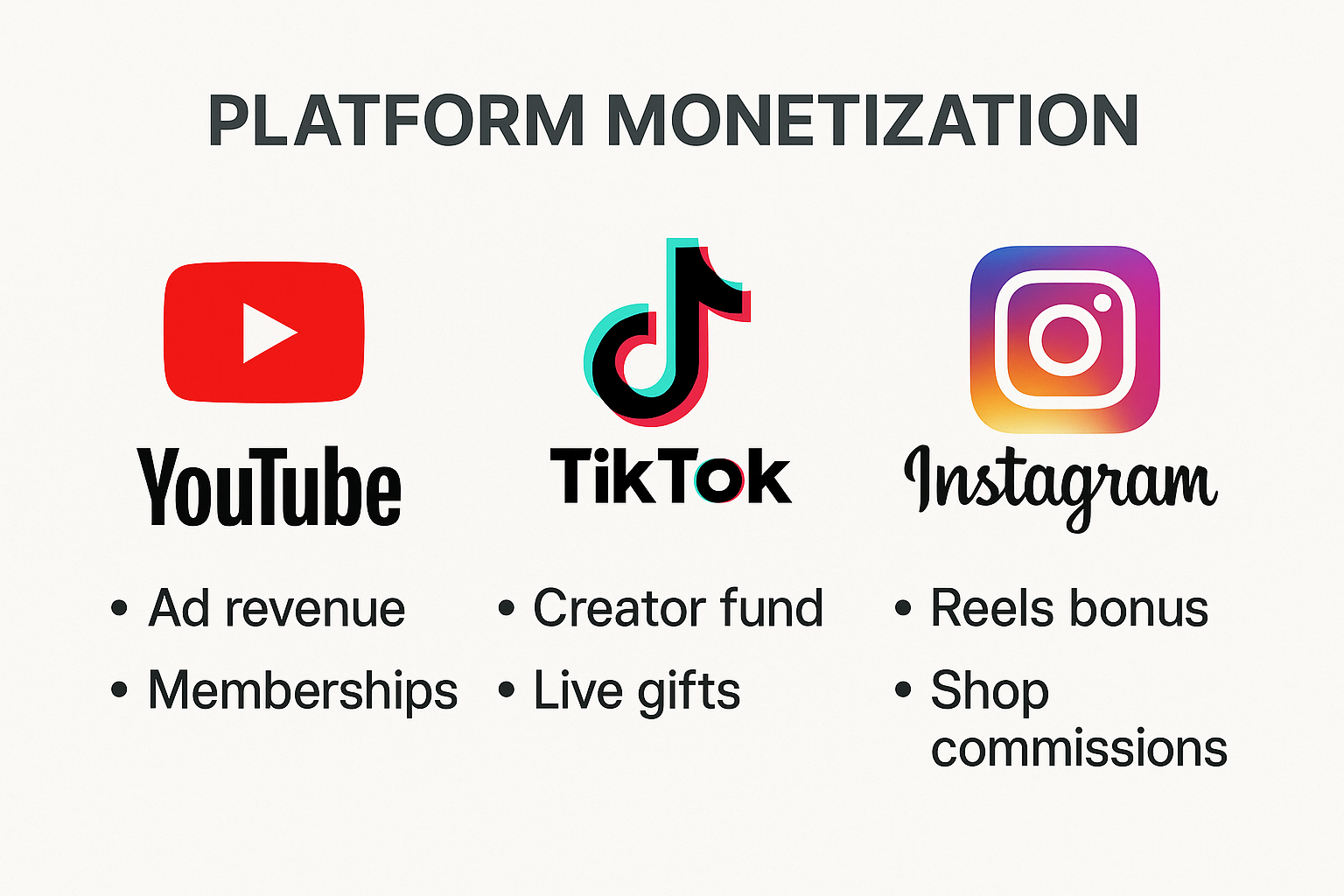
YouTube Monetization
YouTube offers the most comprehensive monetization ecosystem:
Revenue Streams:
- Ad revenue sharing (55% to creators)
- Channel memberships
- Super Chat and Super Thanks
- YouTube Premium revenue
- Shorts Fund distributions
Requirements:
- 1,000+ subscribers
- 4,000+ watch hours (or 10M+ Shorts views)
- Adherence to community guidelines
TikTok Creator Fund
TikTok’s monetization is still evolving but includes:
- Creator Fund payments based on views and engagement
- Live gifting during streams
- Brand partnership opportunities
- TikTok Shop affiliate commissions
Instagram Monetization
Instagram offers several ways creators get paid:
- Reels Play Bonus for high-performing content
- Instagram Shop affiliate commissions
- Brand partnership tools
- Live badges during streams
💰 Vlogger Earnings Calculator
*This calculator provides estimates based on industry averages. Actual earnings may vary significantly based on niche, audience engagement, geographic location, and other factors.
Building Your Vlogging Setup for Success 🎥
Essential Equipment Investment
Quality content creation requires proper equipment, but you don’t need to break the bank initially:
Camera Options:
- Budget-friendly: Best vlogging cameras under $200 offer excellent starting points
- iPhone users: Best iPhone vlogging kits provide professional results
- Advanced options: Canon cameras for vlogging deliver superior quality
Audio Equipment:
Quality audio significantly impacts viewer retention. Consider investing in wireless microphones for YouTube to ensure crystal-clear sound quality.
Lighting Setup:
Proper lighting can transform amateur footage into professional content. Best lights for vlogging YouTube videos help create that polished look viewers expect.
Specialized Equipment Considerations
Outdoor Content:
For adventure vloggers, waterproof vlogging cameras ensure content creation continues regardless of conditions.
Budget Constraints:
Best used DSLR cameras provide professional quality at fraction of new equipment costs.
Mobile Enhancement:
Best iPhone camera lens attachments expand creative possibilities without major equipment investments.
Factors Affecting Vlogger Earnings 📊
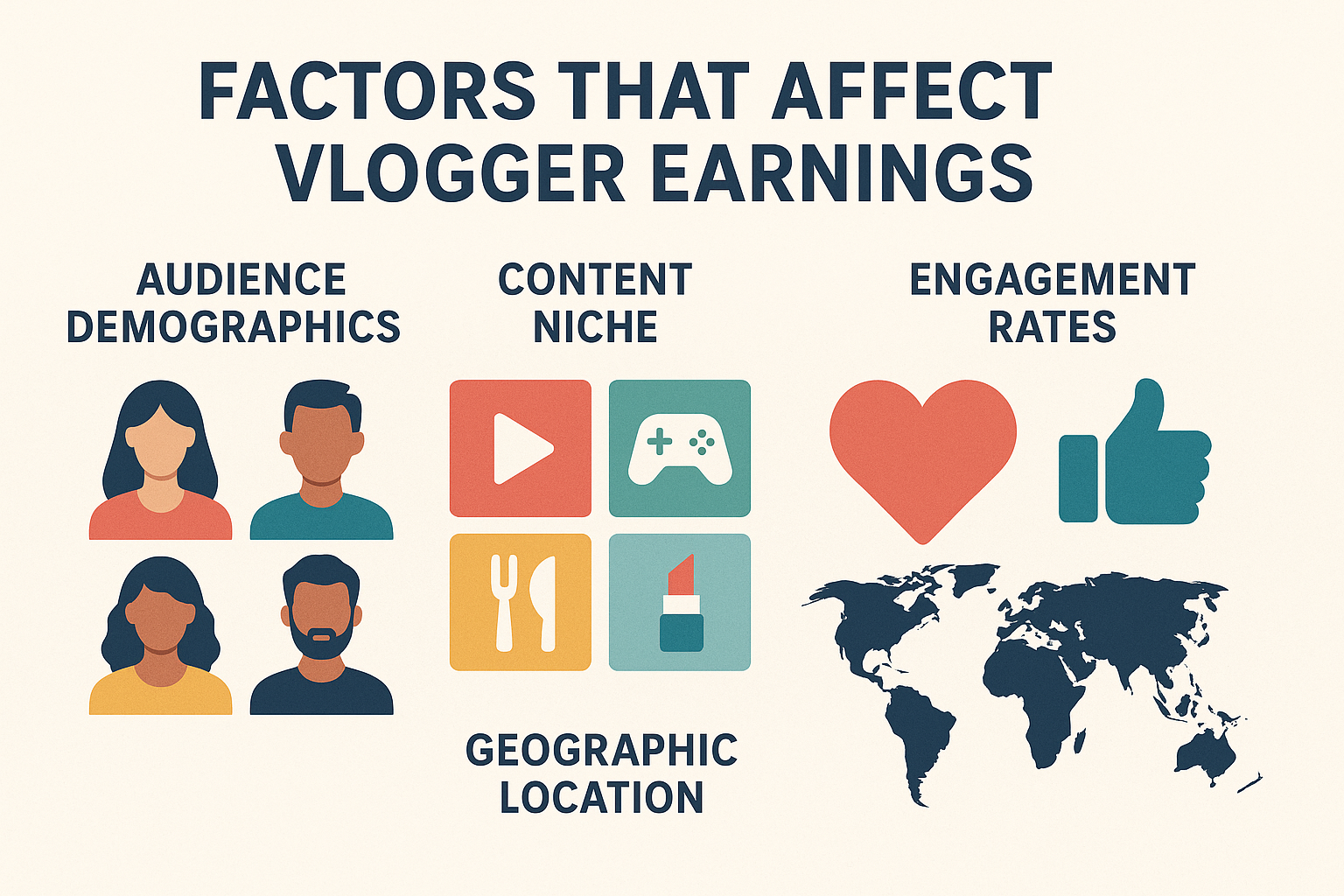
Audience Demographics and Engagement
Geographic Location significantly impacts how vloggers get paid:
- Tier 1 countries (US, UK, Canada, Australia) generate higher CPMs
- Developing markets offer lower ad rates but potentially higher engagement
Age Demographics influence earning potential:
- 18-34 age group typically generates highest ad revenue
- Older demographics often have more purchasing power for affiliate products
Content Niche and Market Demand
High-Paying Niches:
- Finance and investing ($5-15 CPM)
- Technology reviews ($3-8 CPM)
- Business and entrepreneurship ($4-10 CPM)
- Health and wellness ($2-6 CPM)
Lower-Paying but High-Volume Niches:
- Gaming content ($1-3 CPM)
- Entertainment and comedy ($1-4 CPM)
- General lifestyle ($1-3 CPM)
Consistency and Content Quality
Upload Schedule Impact:
- Daily uploaders typically see 3-5x higher engagement
- Weekly consistent posting maintains audience retention
- Sporadic posting significantly reduces earning potential
Production Value Correlation:
Higher production values generally correlate with increased earnings through:
- Better audience retention rates
- Higher engagement metrics
- Increased brand partnership opportunities
Maximizing Your Vlogging Income 🚀
![How Do Vloggers Get Paid? The Complete Guide to Making Money from Video Content in [year] 11](https://vlogslab.com/wp-content/uploads/image-1-1024x683.png "How Do Vloggers Get Paid? The Complete Guide to Making Money from Video Content in [year] 12")
Diversification Strategy
Platform Diversification:
Don’t rely solely on one platform. Successful vloggers typically maintain presence across:
- YouTube for long-form content and ad revenue
- TikTok for viral reach and younger demographics
- Instagram for brand partnerships and visual content
- Podcast platforms for audio content repurposing
Revenue Stream Diversification:
Combine multiple income sources:
- 40% from ad revenue provides baseline income
- 35% from sponsorships offers higher per-project earnings
- 15% from affiliate marketing creates passive income
- 10% from merchandise/products builds brand loyalty
Building Authentic Audience Relationships
Community Engagement:
- Respond to comments within first few hours of posting
- Create community posts to maintain engagement between videos
- Host live streams for direct audience interaction
- Ask for feedback and implement viewer suggestions
Value-First Approach:
Prioritize providing value over immediate monetization:
- Educational content builds trust and authority
- Entertainment value increases shareability
- Personal stories create emotional connections
- Practical tips encourage return viewership
Scaling and Growth Strategies
Content Optimization:
- Analyze performance metrics to identify successful content patterns
- A/B test thumbnails and titles for higher click-through rates
- Optimize posting times based on audience analytics
- Create series content to encourage binge-watching
Collaboration Opportunities:
- Guest appearances on other channels expand reach
- Collaborative projects introduce you to new audiences
- Cross-promotion with complementary creators
- Industry networking opens sponsorship opportunities
Common Challenges and Solutions 🛠️
Income Volatility
Challenge: Vlogging income can be unpredictable month-to-month.
Solutions:
- Build emergency fund covering 3-6 months expenses
- Diversify income streams to reduce platform dependency
- Create evergreen content that generates long-term revenue
- Develop recurring revenue through memberships or subscriptions
Algorithm Changes
Challenge: Platform algorithm updates can significantly impact reach and earnings.
Solutions:
- Stay informed about platform updates and best practices
- Maintain presence across multiple platforms
- Focus on community building rather than just algorithmic reach
- Create quality content that performs well regardless of algorithm changes
Burnout and Sustainability
Challenge: Consistent content creation can lead to creator burnout.
Solutions:
- Batch content creation during high-energy periods
- Establish boundaries between work and personal time
- Outsource editing and other time-consuming tasks
- Take planned breaks to maintain creativity and mental health
Legal and Tax Considerations 📋
Business Structure
Sole Proprietorship:
- Simplest structure for beginning vloggers
- Personal liability for business debts and obligations
- Pass-through taxation on personal tax returns
LLC Formation:
- Limited liability protection for personal assets
- Professional credibility with brands and sponsors
- Tax flexibility with various election options
Tax Obligations
Income Reporting:
- All revenue streams must be reported as income
- 1099 forms from sponsors and affiliate programs
- International income may have additional requirements
Deductible Expenses:
- Equipment purchases (cameras, microphones, lighting)
- Software subscriptions (editing software, analytics tools)
- Home office expenses (if applicable)
- Travel expenses for content creation
Disclosure Requirements
FTC Guidelines:
- Clear sponsorship disclosure required for paid partnerships
- Affiliate link disclosure necessary for commission-based content
- Gift disclosure when featuring free products
Future Trends in Vlogger Monetization 🔮
Emerging Revenue Streams
NFTs and Digital Collectibles:
Vloggers are beginning to monetize through:
- Exclusive content NFTs for dedicated fans
- Digital merchandise and collectibles
- Virtual meet-and-greet experiences
Virtual and Augmented Reality:
As VR/AR technology advances:
- Immersive content creation opportunities
- Virtual product placement possibilities
- Enhanced viewer engagement through interactive experiences
Platform Evolution
Short-Form Content Growth:
- YouTube Shorts monetization expansion
- TikTok Creator Fund improvements
- Instagram Reels bonus programs
Creator Economy Maturation:
- Better creator protection and rights
- Improved revenue sharing models
- Enhanced analytics and monetization tools
Getting Started: Your Action Plan 🎯
Phase 1: Foundation (Months 1-3)
Content Strategy:
- Choose your niche based on passion and market demand
- Create content calendar with consistent posting schedule
- Invest in basic equipment for quality production
Platform Setup:
- Optimize channel branding across all platforms
- Learn platform-specific best practices and algorithms
- Engage authentically with your growing audience
Phase 2: Growth (Months 4-12)
Monetization Preparation:
- Meet platform requirements for monetization programs
- Build email list for direct audience communication
- Network with brands and other creators in your niche
Content Optimization:
- Analyze performance data to refine content strategy
- Experiment with different content formats and styles
- Collaborate with other creators to expand reach
Phase 3: Scaling (Year 2+)
Revenue Diversification:
- Launch merchandise or digital products
- Develop premium content offerings
- Explore speaking and consulting opportunities
Business Development:
- Consider LLC formation for liability protection
- Hire team members for editing, thumbnail creation
- Invest in advanced equipment and production quality
Conclusion
Understanding how vloggers get paid reveals a complex but rewarding ecosystem with multiple revenue opportunities. Success in vlogging monetization requires more than just creating content – it demands strategic thinking, consistent execution, and authentic audience relationships.
The most successful vloggers combine passion with business acumen, treating their channels as media companies rather than hobbies. They diversify revenue streams, invest in quality equipment and education, and maintain consistent engagement with their communities.
Your next steps:
- Choose your niche and create a content strategy aligned with monetization opportunities
- Invest in essential equipment starting with quality cameras and audio equipment
- Focus on value creation before monetization to build authentic audience relationships
- Stay informed about platform changes and emerging monetization opportunities through resources like VlogsLab’s blog
Remember, vlogging success doesn’t happen overnight, but with dedication, strategic planning, and consistent effort, you can build a sustainable income from your passion for video creation. The vlogging economy continues to grow, offering unprecedented opportunities for creators who understand how to navigate this dynamic landscape effectively.
Whether you’re just starting or looking to optimize existing revenue streams, the key is to begin with authentic content creation while strategically building toward sustainable monetization. The tools, platforms, and opportunities are available – your success depends on how effectively you leverage them to serve your audience while building your brand.


